

Maintenance
Malma Energy designs and builds agrivoltaic systems for farmers and agricultural landowners: photovoltaic panels mounted above crops that produce green energy without taking the land out of farming. We handle the feasibility study, design, financing, installation and maintenance.
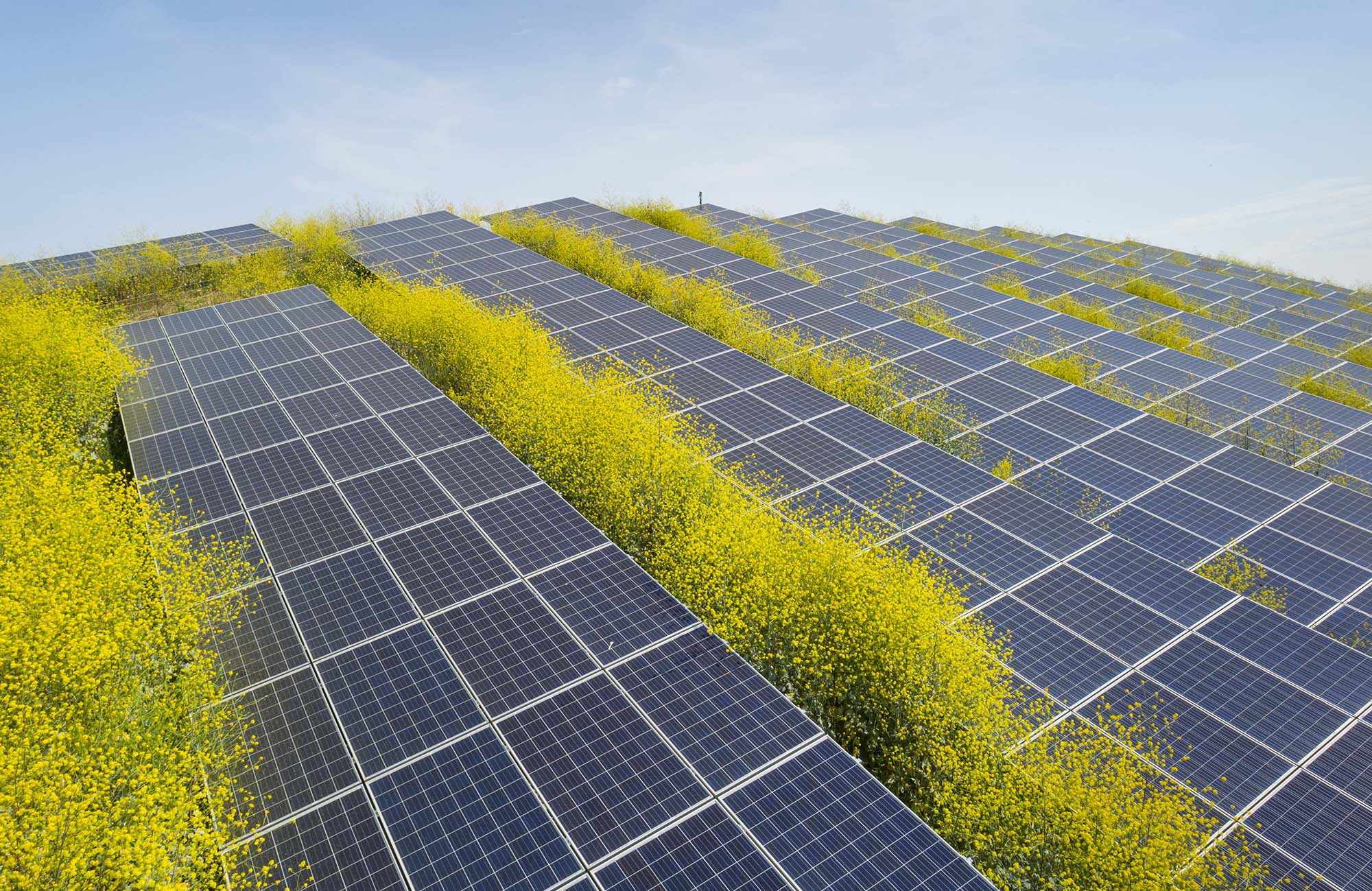
An agrivoltaic system is a photovoltaic plant mounted above agricultural crops, with panels installed high enough for machinery to pass underneath. On the same land you produce electricity and keep growing fruit and vegetables, while the panels give crops light at certain times of the day and shade during the hottest hours.
When you choose conventional photovoltaic panels as a source of renewable energy and install them on your land, the space underneath can no longer be used for anything else. An agrivoltaic system solves this: panels mounted above the crops still allow you to plant fruit and vegetables.
The benefit is twofold: you generate clean energy and enjoy a rich harvest at the same time.
An agrivoltaic system benefits both the crops and the panels. It gives fruit and vegetables enough light, humidity and suitable temperatures for planting, germination and growth, protects them from excessive heat, cold and UV damage and helps conserve water, while the plants cool the panels and keep them efficient. Here is how it works:
They open their pores or stomata (small openings on the epidermis of leaves or plant stems that allow for gas exchange with the external environment and the absorption or release of water from the plant) and begin to absorb carbon for photosynthesis, thereby releasing water through the leaves. In the end, a cool microclimate is created.
Photovoltaic panels protect plants from excessive heat, cold and UV damage, thereby increasing the yield of certain crops. Mounted above the crops, they let light through at certain times of the day and provide shade during the hottest hours. In the horizontal position, they can also limit damage caused by adverse weather such as hail.
Photovoltaic panels can lose efficiency if temperatures are extremely high, and the sun is strong. This is where small cooling systems, in the form of plants, come into play. Through transpiration, they manage to cool the panels and the area underneath, protecting the panels from the severe effects of high temperatures.
Yes, photovoltaic panels can help conserve water resources. As global temperatures rise, the shade from the panels helps preserve dwindling freshwater resources by reducing evaporation from both plants and soil. As a result, crops have reduced irrigation requirements, especially during dry periods.
This approach does not create conflicts in land use between agriculture and energy production, allowing both photovoltaic operators to have quality land and farmers to increase crop yields. This system addresses the main challenges of sustainable development, adding real benefits to farmers.
So, you enjoy more efficient photovoltaic panels as well as healthy plants.
In agrivoltaic projects, Malma Energy offers solutions tailored to your needs that help you reach your sustainability goals by reducing carbon emissions and electricity costs. We handle the analysis, sizing, feasibility study, design, installation and maintenance, so you can produce green energy without giving up your crops.
We aim to change the way energy is used through simple, profitable and safe solutions for producing and consuming renewable energy.
Malma Energy specializes in the construction of photovoltaic power plants and parks. For many years, we have been working in a B2B format, implementing investment and construction projects as a general contractor. Upon the client's request, we provide support for all the licensing and approval procedures necessary to obtain a license for the production of electrical energy and a prosumer certificate.
The experience accumulated in the implementation of photovoltaic projects for top companies in Romania, including Mega Image, Kaufland, Tenaris, and feasibility studies conducted for companies from various industry segments (e.g., Angst), has led to a deep understanding of the market's needs and expectations.
Here are the main types of photovoltaic power plants:
Beyond agrivoltaic systems, Malma Energy offers a complete energy efficiency package. We start with an energy assessment and propose the right solutions, from EPC photovoltaic plants and energy storage solutions to green hydrogen production, and then come up with financing proposals. The full list of services:
– Energy assessment to identify energy efficiency options;
– Proposal of energy efficiency solutions:
– We carry out: energy audits, feasibility studies (SF), technical projects (PT), DALI
– We come up with financing proposals.
Together, we find the best solutions tailored to your business’s needs and characteristics, so you can enjoy lower electricity costs as soon as possible. Tell us about your land, your crops and your goals, and a Malma specialist will suggest the next steps for your project.
Agrivoltaic systems are for farmers and agricultural landowners who want to produce green energy without giving up their crops: arable crops, fruit and vegetable production and orchards. We also offer complete solutions for implementing photovoltaic, wind and green hydrogen production systems for clients in almost every field of activity.
Photovoltaic panels are installed above agricultural crops to allow access for machinery.
By installing a tracker system, the panels can follow the sun’s direction and tilt vertically to let rain pass. In the horizontal position, they can limit damage caused by adverse weather conditions such as hail.
Depending on the degree of inclination and the season, soil temperature can be modified, reducing the effects of drought or frost.
Over time, it has been proven that the fruits and vegetables that respond best to agrivoltaic technology include lettuce, apples, tomatoes, cherries, potatoes, blueberries and strawberries. These crops benefit from the partial shade of the panels, which protects them from strong sunlight and reduces water evaporation from plants and soil.
An agrivoltaic system installed in an apple orchard provides trees with a less stressful environment and reduced irrigation requirements. Photovoltaic panels offer protection against frost damage. The shading generated by the panels can be used as a fruit thinning strategy that can be adjusted throughout each season.
The system is recommended for pear crops, as they require protection against hail, and photovoltaic panels can replace hail nets.
Because Malma Energy gives you an integrated service as general contractor: analysis and sizing of the solar park, the feasibility study under Government Decision HG 907, the technical project (DTAC and DE), cost-benefit analysis, installation, commissioning and grid connection, followed by maintenance and park operation. You also benefit from our experience with projects for companies such as Mega Image, Kaufland and Tenaris.
- Analysis and dimensioning of photovoltaic parks - Feasibility study according to Government Ordinance 907
Preparation of the technical project at the level of DTAC (technical documentation for obtaining the building permit) and DE (execution details).
Investment amortization calculation, IRR according to Government Ordinance 907
We work in four steps: we analyze the current situation, propose energy efficiency solutions, propose financing solutions and take care of implementation. We always focus on customized solutions and support our clients throughout the process, from the initial stage to after implementation.
Before any proposal, we carefully analyze each client’s energy consumption, assess their needs and objectives and identify what needs improvement. Every business has unique needs, and these must be taken into account to provide customized energy efficiency solutions.
Based on the analysis, we propose the energy efficiency solutions that suit your farm or company. These may cover photovoltaic systems and energy management systems, energy-efficient lighting and waste heat recovery, depending on the specific needs of each client.
We help you find the right financing for your agrivoltaic system. We identify suitable financing programs for each energy efficiency solution, provide support in accessing European funds and help choose funding sources for investment projects and more.
The implementation of our energy efficiency systems is carried out quickly and with minimal disruption to activities, allowing companies to continue operating as usual while benefiting from significant savings on electricity costs.
So far, Malma Energy has completed 35 projects and has 96 satisfied clients, with innovative solutions and a specialized team. The companies we have delivered photovoltaic projects for include Mega Image, Kaufland and Tenaris, and our feasibility studies have covered companies from various industries, such as Angst.
Completed Projects
Satisfied Clients
Innovative Solutions
Specialized Team
Here you will find short answers about agrivoltaic systems: what they are, what benefits they bring, which crops they suit, how they affect land use and how to request a quote.
An agrivoltaic system combines agricultural crops with photovoltaic panels installed above them, at a height that allows machinery to pass underneath. Unlike panels mounted directly on the ground, the space underneath stays in agricultural use: it allows fruits and vegetables to be planted, lets light reach the crops at certain times of the day and provides shade during the hottest hours. This way, you generate clean energy and get a bountiful crop at the same time.
An agrivoltaic system gives fruit and vegetable crops sufficient light, humidity and suitable temperatures for planting, germination and development. The panels protect plants from excessive heat, cold and UV damage, which can increase the yield of certain crops. In turn, the plants become small cooling systems: through transpiration, they cool the panels, which would otherwise lose efficiency at extremely high temperatures.
Photovoltaic panels mounted above crops can help conserve freshwater resources, because they reduce evaporation from both plants and soil. In an apple orchard, for example, the system gives trees a less stressful environment and reduced irrigation requirements. These advantages matter more and more as global temperatures rise.
An agrivoltaic system suits agricultural crops, fruit and vegetable production and orchards. The fruits and vegetables that respond best to this technology include lettuce, apples, tomatoes, cherries, potatoes, blueberries and strawberries. In apple orchards, the panels offer protection against frost damage, while in pear orchards they can replace hail nets.
With a tracker system, photovoltaic panels can follow the sun’s direction and tilt vertically to let rain pass. In the horizontal position, they can limit damage caused by adverse weather such as hail. Depending on the tilt and the season, soil temperature can also be modified, reducing the effects of drought or frost.
No. The agrivoltaic approach does not create land-use conflicts between agriculture and energy production. Photovoltaic operators get access to quality land, while farmers can increase their crop yields. The panels are installed above the crops so that agricultural machinery can still access the land.
Malma Energy offers solutions in the agrivoltaic segment as a general contractor specialized in building photovoltaic plants and parks. The integrated service includes the analysis and sizing of the photovoltaic park, the feasibility study according to Government Decision 907, the technical project, the cost-benefit analysis, installation, commissioning and grid connection, followed by maintenance and park operation. The team also comes up with funding proposals.
You can request a quote by filling in the form below with your name, email, company, budget and other details about your project. Malma Energy’s specialists analyze your business’s electricity needs and come up with tailored options. You can also call 0722221150 or email contact@malmadevelopment.ro.
Updated: October 21, 2026
To offer the best solutions, our specialists carry out detailed analyses of your company’s consumption habits and electricity needs and come up with options tailored just for you. Fill out the form and the Malma team will get back to you as soon as possible to discuss your project.
Fill out the form below and provide us with some details about your interests. A MALMA consultant will get in touch with you shortly!
Adding {{itemName}} to cart
Added {{itemName}} to cart